
When someone dies far from home, the family is left alone with paperwork in a foreign language. Below is the order of steps to follow, to help you keep your bearings. It is a general outline: every country has its own names for documents and its own authorities. When we speak, we will go through the details for the country concerned.
What to do if a loved one dies abroad
A step-by-step guide for the family when someone has died abroad: the first hours, who to call, what the consulate does, which documents are needed and how the deceased is brought home. If you cannot face reading this now, just call us. We will talk you through the rest by phone.

The first hours: what to do straight away
Call the emergency services
If the death happened at home, in the street or at work, call 112. This number works in every EU country. In other countries, call the local emergency number. A doctor officially confirms the death and issues a medical document. Nothing else can be arranged without it. If the person died in hospital, the hospital staff take care of this.
Call us
Do not wait until the paperwork is sorted. Call +380 77 882 77 77 straight away, even at night. We speak Ukrainian, English, Polish and German. We will tell you what to do in the country where the death happened and take the documents and the transport off your hands.
Find out where the deceased is and who is in charge
Whether it is a hospital, a morgue or the police, write down the name of the institution, its address, its phone number and the name of the person you spoke to. If there is a case or file number, note that too. We and the consulate will both need these details.
Find the insurance policy
Travel, work or any other kind of insurance: if there was a policy, find it and tell us about it. We will explain how to get the transport approved by the insurer. We explain why this matters below.
Inform the Ukrainian consulate
The consulate registers the death of a Ukrainian citizen and issues the documents without which the deceased cannot cross the Ukrainian border. Some Ukrainian embassies have a dedicated hotline for deaths.
Do not sign anything in a hurry
You may be offered a local funeral home or a contract on the spot. Take your time. First talk to us or to the consulate. Keep all papers and receipts: you will need them for the insurance and for the funeral allowance.
Call us, day or night
Languages: Ukrainian, English, Polish, German. The same number works on Viber, WhatsApp and Telegram.
Who to call
You will need to make several calls. Here is who is responsible for what, so you know where to turn with each question.
Emergency services, the doctor
They confirm the death and complete the first medical document. The death is registered in that country on the basis of this document.
The Ukrainian consulate
It registers the death and issues the Ukrainian death certificate and the certificates needed to take the deceased across the border.
The insurance company
If the policy covers the transport of the body, the insurer approves who carries it out and how. Tell us about the policy on the first call and we will settle everything with the insurer together.
We do it all ourselves
Where the law requires a licensed company, you still have no one else to look for, because we lead the whole way from the country where your relative died to home. In every country, transport is carried out under its law. You do not need to look for anyone.
The family in Ukraine
Agree which relative will keep in touch with us. That way nobody gets conflicting instructions and nothing gets lost. In most cases nobody needs to travel abroad: what can be done from home.
XREQUIEM
One call, and from then on we coordinate everything: the morgue, the consulate, the insurer and the border. Call us
What the Ukrainian consulate does
The consulate needs to establish one thing: that the person was a Ukrainian citizen. If so, the consul registers the death. You do not have to go there in person. Relatives, the hospital, the local authorities or other people can apply, including us, acting on your power of attorney.
The consul needs the local documents about the death: the medical document and the certificate from the authorities of that country. They are certified with an apostille or legalisation and translated into Ukrainian. We take care of this.
What you receive from the consulate
- A Ukrainian death certificate. It is issued to close relatives or sent through the Ministry of Foreign Affairs of Ukraine to be passed on to the family.
- Registration of the death and the first certificate, with no consular fee.
- A certificate for the social protection authorities, so the family can receive the funeral allowance in Ukraine.
- Legalisation of the certificate of no prohibited items, which confirms that there is nothing prohibited in the body or the coffin. Without it, the deceased cannot cross the Ukrainian border.
- In many countries, a separate letter or certificate for transporting the coffin or urn to Ukraine.
Where to find the consulate
In some countries there is only an embassy; in others there are also Consulates General in different cities. A few examples:
- Poland: the Embassy in Warsaw, Consulates General in Wrocław, Kraków and Lublin, and a Consulate in Gdańsk. The Embassy has a hotline for the death of a Ukrainian citizen.
- Germany: the Embassy in Berlin, Consulates General in Hamburg, Frankfurt am Main, Düsseldorf and Munich.
- Czechia: the Embassy in Prague and a Consulate in Brno.
- France: the Embassy in Paris; its consular section has a 24-hour hotline for the death of a relative.
For other countries, open the page for your country in the Countries section or just call us, and we will tell you where to go in your case.
The consulate helps with the documents, but we transport the deceased. In Austria, for example, only authorised funeral homes may transport bodies, and in France the funeral home needs a French licence. In every such case we organise the whole journey and answer to the family for each stage.
Which documents you will need
The documents come from three sources: some from the family, some from the country where the death occurred, and some from the Ukrainian consulate. The full list, with explanations, is on the Documents page. In short:
From the family
- the deceased's passport: a photo is enough to start; in some countries the consulate will ask for the original
- your passport and contact details
- a document proving the family relationship (in some countries)
- a power of attorney for us, so we can submit documents on your behalf
- the insurance policy, if there was one
From the country of death
- the local death certificate (in Poland akt zgonu, in Germany Sterbeurkunde, in France acte de décès)
- the permit to take the body out of the country, or the body passport
- the certificate of no prohibited items in the body and the coffin
- an apostille and a certified translation into Ukrainian
From the Ukrainian consulate
- registration of the death and the Ukrainian death certificate
- legalisation of the certificate of no prohibited items
- the certificate for the funeral allowance
We gather all these papers ourselves and carry them with the deceased. Two of them are checked at the Ukrainian border. What exactly is checked is explained on the Documents page.
If there was insurance
Insurance can reduce the costs considerably. But there are a few things it is better to know in advance.
- The insurer's assistance service usually arranges the transport of the body (its number is in the policy). The process starts once there is a death certificate.
- The transport has to be agreed with the insurer, otherwise it may refuse to pay. Tell us about the policy on the first call and we will settle everything together.
- A policy often covers the journey only as far as the border or a transport hub in Ukraine. The family pays for the rest of the journey and the funeral.
- The limits for transporting a body vary widely between insurance plans. A cheap policy may not cover the whole journey.
More in the article Insurance and bringing a body home. Send us a photo of the policy on Viber, WhatsApp or Telegram. We will look at the terms and, if the policy covers the transport, deal with the insurer ourselves.
We work out your price
Call or leave your number.
How the deceased comes home
Once the documents from the country where the death occurred are ready, the deceased is prepared for the journey. Under Ukrainian law, the body is brought into Ukraine in a hermetically sealed metal coffin, which is put under official seal. The coffin may be opened only in exceptional cases, at a healthcare facility, in the presence of a customs officer and the person accompanying the body.

By road or by air
From countries next to Ukraine the deceased usually travels by road, in a specialist vehicle, to the border and on to your town or city. From distant countries, part of the journey can be made by air. Airlines carry the deceased in the aircraft's cargo hold. The air leg goes to an airport in a country next to Ukraine and takes from 2.5 hours. The last stretch is by road. We do not promise direct flights to Ukraine.
The body's journey home to Ukraine takes from 24 hours after collection. The exact time depends on the country, on how quickly the local authorities issue the documents and on the type of transport.
Embalming
Whether embalming is needed depends on the rules of the country and of the carrier. In Romania it is required for transport beyond the town or village. In Denmark it is required if the deceased travels by air. Some airlines accept only embalmed bodies. Czechia does not require embalming as such. We will tell you what is needed in your case after the first call.
Do you need to travel abroad?
Usually not: a power of attorney is enough, and from then on we act on your behalf. Sometimes the local authorities ask a relative to sign an application. In that case we prepare the papers and tell you how to sign them without travelling, if that is possible.
More about the routes: see the pages Air transport, Road transport and Countries.
How we prepare the transport


If the body is cremated locally
Sometimes the family decides to cremate the deceased where the death occurred, or the cremation has already taken place. In that case an urn with ashes is brought home. Fewer documents are needed than for a coffin, but they are still required at the Ukrainian border, and we will gather them.
If a relative is going to carry the urn on a plane, call us first. We will tell you what to ask the airline and how to pack the urn for X-ray screening. Customs and air travel are covered in detail in the article Customs clearance of an urn with ashes.
Transport of an urn with ashes to Ukraine: from €100, depending on the country. We take care of the documents and the journey. More on the page Transport of an urn with ashes to Ukraine.
What not to do
- Hiring a local funeral home without mentioning the policy. The transport must be agreed with the insurer, otherwise it may refuse to pay.
- Buying a ticket or booking a flight for the deceased before the permits are ready. The documents must be agreed with both countries before booking.
- Accepting a document without an apostille. A foreign death certificate is recognised in Ukraine only when certified. Without an apostille it is not valid in Ukraine and may hold up bringing in the coffin or the urn.
- Signing a contract you do not understand. Ask for a translation or send us a photo and we will explain it.
- Throwing away receipts and certificates. You need them for the insurance and for the funeral allowance.
- Doing everything alone. One call, and you are no longer on your own with this. If you are still thinking of bringing the deceased home yourselves, first read what that involves.
What repatriation of the deceased costs
Our prices are “from” prices, for the whole journey home. A funeral in Ukraine is paid for separately. Call us and we will tell you the price straight away.
“From” prices for most countries are on the Prices page; the documents for each country are on the Countries page.
Who pays for what is explained in the articles How much it costs to bring a body home to Ukraine from abroad and Who pays for bringing a body home from abroad.
Questions about the first days
The person died in hospital. Do I need to call 112?
No. In hospital, the doctor on duty confirms the death and issues the medical document. All you need is the name of the hospital, the department and where the deceased will be taken. Pass these details on to us and we will contact the hospital ourselves.
The death happened at night or over the weekend. What can we do right now?
Call us: we are available 24/7. Official bodies may be closed at that time, but we can already begin: find out where the deceased is, which documents are needed in that country, and make a plan for the morning. Some Ukrainian embassies, for example in Poland and France, have a separate hotline for deaths.
Who in the family should keep in touch with you?
Ideally one person. They receive our updates, pass on the documents and agree decisions with the rest of the family. That way everyone hears the same thing. If this person is abroad and the rest of the family is in Ukraine, that is fine: we work with everyone through messaging apps.
We do not know whether there was insurance. How can we check?
Look through the travel documents, the employment contract, emails and the paper files at home. Ask the people who worked or lived alongside them. If you find anything that looks like a policy, take a photo and send it to us, and we will have a look. If you find nothing, that is all right: the transport can be arranged without insurance.
Can we take a few days to think before deciding?
Yes, you can. But the local documents are not issued straight away, so it is better to start the paperwork now. We will explain the options and give you the price, and the decision is yours.
Relatives have already made arrangements with a local funeral home. Can you still get involved?
Yes. Send us what has already been done and what you have been promised. We will see what is missing for the Ukrainian border and tell you what to do next. If there was insurance, tell us about it, and we will check whether the insurer has approved that funeral home.
Some of the documents have already been issued. What should we do with them?
Keep the originals and do not hand them to anyone unless you have to. Photograph every page and send the photos to us on Viber, WhatsApp or Telegram. We will tell you what is ready, what still needs to be done, and whether an apostille and a translation are needed.
I do not speak the local language. How do I talk to the hospital or the morgue?
You will not need to. Give us the name of the institution and its phone number, and from then on we will talk to them ourselves. If you have been sent something or asked to sign something, take a photo and forward it to us. We will explain in English or Ukrainian what the document is.
We want to bury the person where they died. Is the consulate still needed?
Yes, it is worth contacting the consulate. The consul registers the death of a Ukrainian citizen and issues a Ukrainian death certificate and the certificate for the funeral allowance. Without Ukrainian registration, the paperwork at home will be harder for the family.
Can we say goodbye to the person before the journey?
Tell us about this on the first call. Whether it is possible, and where, depends on the country and on the institution where the deceased is being kept. For entry into Ukraine the coffin is put under official seal, and after that it is opened only in exceptional cases.
For prices, documents, timings and urns, see the Questions and answers page. The detailed list of papers is on the Documents page. More guides for families are in the Articles section, including How to choose a funeral home to bring a body home.
Tell us what happened
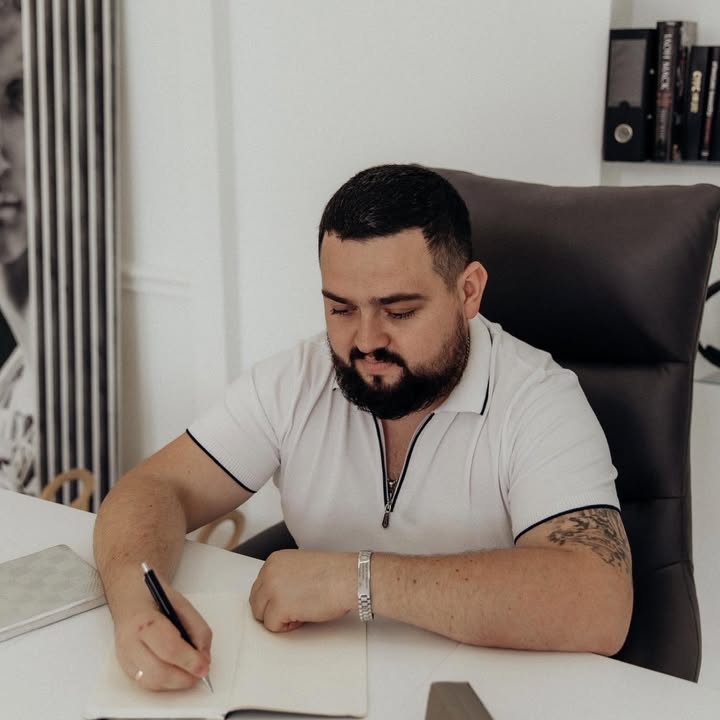
Oleg Zdendiak and the team. We explain the next steps.
Send a request
Leave your name and phone number. We will call you back and explain what to do in the country where the death happened.
Thank you. We will call you back. For urgent matters, please call: +380 77 882 77 77.